Stardew Valley: 10 Pro Tips for Maximizing Profits in Year One
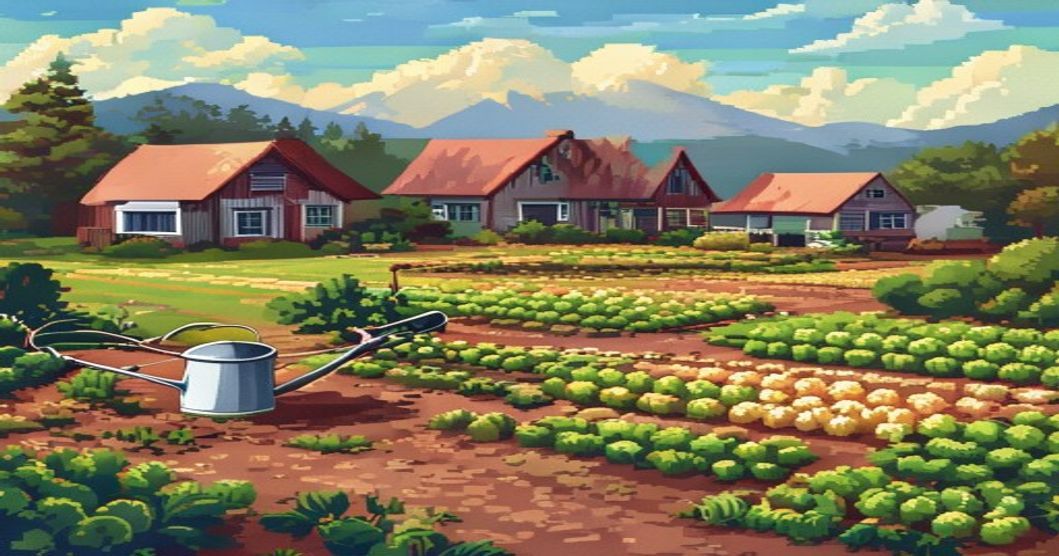
Stardew Valley: 10 Pro Tips for Maximizing Profits in Year One

Starting a new farm in Stardew Valley can be overwhelming. With limited energy and gold, every decision counts. Follow these tips to set yourself up for financial success from Spring 1 to Winter 28.
1. Prioritize Planting Parsnips
On Day 1, buy as many parsnip seeds as you can afford. They grow in 4 days and sell for a decent profit. Save a couple for the Spring Crops bundle. After the first harvest, reinvest in more parsnips or consider potatoes for a chance at extra yields.
2. Hoard Fiber and Sap
Fiber and sap are easy to collect but often overlooked. You'll need heaps for crafting quality sprinklers, scarecrows, and kegs later. Whenever you see weeds or trees, clear them for resources. Store them in chests for future use.
3. Fish for Early Cash
Fishing is one of the best early-game money-makers. On Rainy Days, fish at the mountain lake for gold-quality catches. Upgrade your rod to the Fiberglass Rod as soon as you hit Fishing Level 2—it lets you use bait, speeding up catches. Sell everything except what you need for bundles.
4. Forage and Sell Everything
Spring forage (leeks, dandelions, horseradish, etc.) sells for a decent price. Pick up every foraged item you see. Early on, sell them directly—don't bother with crafting unless you need a field snack. Save one of each for the Spring Foraging Bundle.
5. Upgrade Your Backpack First
Your starting backpack only has 12 slots. Save 2,000g to buy the first upgrade from Pierre's General Store. This doubles your space, letting you carry more loot and farm products, saving trips to town.
6. Build a Silo Before Barn or Coop
Don't rush into animal buildings. Build a silo first (100g, 10 stone, 5 copper bars). When you clear grass, hay automatically fills the silo. That hay is free animal feed later. Without a silo, you'll waste cut grass and have to buy hay at Marnie's.
7. Use Tappers on Oak and Pine Trees
Plant oak and pine trees in a designated area and place tappers on them as soon as you can (Foraging Level 3). Oak resin is needed for kegs, which are key for turning hops and wheat into profitable artisan goods. Pine tar is used for bee houses.
8. Invest in Blueberries in Summer
Summer's most profitable crop is blueberries. They produce throughout the season and sell high. Use fertilizer to increase quality. Sell all blueberries raw in Year 1; save them for kegs in Year 2. Also plant a few melons—they're needed for the Summer Crops bundle.
9. Start Keg Production Early
Once you reach Farming Level 8, you unlock the keg recipe (30 wood, 1 copper bar, 1 iron bar, 1 oak resin). Kegs turn hops into Pale Ale (420g per bottle) and wheat into Beer. Start crafting them in late Summer to process your Fall crops. Even more profitable: preserve jars for low-time crops.
10. Plan for Winter Foraging and Mining
Winter kills crops, so focus on mining and foraging. Head to the mines to collect ore for tool upgrades. Crystal fruits, snow yams, and winter roots sell well. Also, start befriending villagers—gifts improve relationships, leading to recipes and perks that save money. In Year 2, you'll have a head start.
By following these tips, you'll have a thriving farm with plenty of gold to expand in Year 2. Happy farming!