.webp)





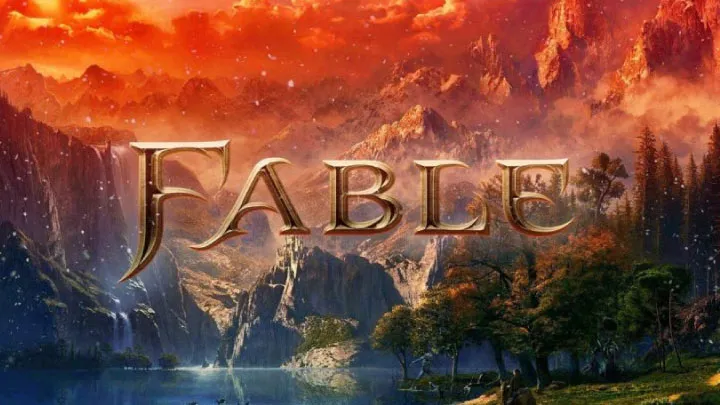
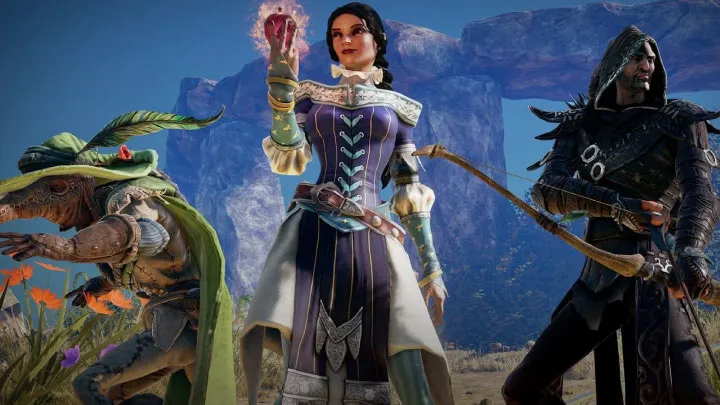
The eagerly awaited reboot of Fable has reignited excitement among fans of the beloved fantasy RPG series. Developed by Playground Games, known for their work on the Forza Horizon series, this reboot aims to retain the charming essence that originally defined Fable while introducing modern gameplay elements and mechanics. However, one significant challenge facing the developers is balancing the nostalgic aspects that long-time fans crave with new innovations that appeal to a broader audience. This article will explore this challenge in detail, analyzing how nostalgia impacts player expectations, the intricacies of modernizing gameplay, and the potential solutions for achieving a harmonious blend.
Introduction to the Fable Reboot
The Legacy of Fable
Originally released in 2004, the Fable franchise quickly carved out a niche in the RPG genre by offering players an open-world experience filled with moral choices, character development, and a sense of humor. With its unique art style and whimsical storytelling, the series became a beloved staple for gamers. After several iterations and expansions, the announcement of a reboot stirred excitement within the community, sparking discussions about how it would approach the series’ essence while refreshing its mechanics.
Anticipation and Expectations
As anticipation grew, so did the expectations. Long-time fans hope to see beloved features such as the morality system, character customization, and the vibrant world of Albion returned to their former glory. However, newcomers to the franchise may be seeking a fresh experience that aligns with modern gaming standards. The challenge lies in understanding how to honor the past while simultaneously crafting an engaging experience that can attract a new generation of players.
The Importance of Nostalgia in Gaming
Emotional Connections to Legacy
For many players, nostalgia plays a significant role in their gaming experiences. The Fable series is beloved not just for its gameplay, but for the memories and emotions it evokes. The connection players have to their characters and experiences in Fable has formed a fandom that is both passionate and vocal about their expectations for the reboot.
Nostalgia and Its Perils
While nostalgia can be a powerful motivator, it can also create unrealistic expectations. Players may yearn for specific features or mechanics from the original games, often overlooking the advancements in gaming that have since evolved. This dichotomy can lead to disappointment if the reboot fails to deliver on these nostalgic elements or, conversely, if it tries too hard to replicate the past without adapting to contemporary sensibilities.
Cultivating New Experiences
Developers must strike a balance by preserving the core elements that made Fable special while integrating new ideas. This requires embracing the spirit of the original games while adapting to the needs and preferences of modern players.
Modernizing Gameplay Mechanics
Evolving Combat Systems
One of the most significant areas for modernization is the combat system. The original Fable titles featured a simple yet engaging approach to combat, utilizing a mix of melee, ranged weapons, and magic. In a contemporary gaming landscape, players now expect deeper combat mechanics that allow for strategic engagement and fluidity.
Innovative Combat Features
- Dynamic Combat Styles: Incorporating a system that enables players to switch between various combat styles can add layers of strategy.
- Skill Trees and Progression: Integrating skill trees that allow for customization and specialization provides players with a sense of growth and evolution.
Expanding Exploration and Interaction
The whimsical world of Albion was filled with secrets, hidden areas, and interactions that offered players a sense of adventure. Modern players look for a more interactive environment that encourages exploration beyond simple quests.
Enhanced World Dynamics
- Environmental Interactions: Players should be able to interact with the world in meaningful ways, such as altering the environment or engaging in mini-games that reflect the whimsical nature of the original series.
- Dynamic NPCs: NPCs should have their unique routines, personalities, and relationships with the player, making the world feel alive and responsive.
User Experience Improvements
Advancements in technology have led to improvements in user interfaces and accessibility options. The reboot should ensure that new players can navigate menus, quests, and character customization without feeling overwhelmed.
- Intuitive UI: A streamlined user interface can facilitate access to gameplay features.
- Accessibility Options: Implementing accessibility settings for players with varying needs demonstrates a commitment to inclusivity.
Retaining Character Customization
Emphasizing Personal Identity
One of the original Fable series’ most appealing features was the extensive character customization options. Players felt empowered to shape their hero's appearance, abilities, and moral alignment. Retaining this aspect is crucial for maintaining a sense of player identity.
Character Appearance Options
- Cosmetic Choices: Offering diverse appearance options, such as hairstyles, clothing, and physical features, allows players to create unique characters that reflect their personality.
- Moral Modifications: Their actions should alter not only the narrative but also character traits, providing visual cues to their alignment, such as corruption or benevolence.
Balancing Mechanics with Meaning
While extensive customization is essential, developers must also ensure that these features have meaningful impacts on gameplay. If character choices don’t influence the game significantly, players may feel less invested.
- Skills and Abilities: Customization should extend to skills that impact gameplay, allowing players to tailor their abilities to their playstyle.
- Narrative Development: Choices made during character creation and throughout the game should resonate within the story, enhancing immersion.
The Weight of Moral Choices
A Core Element of Fable
The original Fable series is known for its morality system, where players’ actions directly influenced their character’s alignment and the world around them. Incorporating a modernized version of this mechanic is crucial for the reboot.
Evolving Morality Systems
- Complex Consequences: Instead of binary choices, the game can introduce a spectrum of morality, where decisions lead to nuanced outcomes.
- Social Repercussions: Player actions should influence how NPCs react and interact with the protagonist, emphasizing the societal repercussions of their choices.
Providing Meaningful Engagement
To maintain engagement with the moral choices, developers need to ensure that they feel weighty and impactful. Players should see tangible shifts in the world or character relationships based on their actions.
- Dynamic Story Paths: Core story elements should evolve based on decisions, leading to multiple endings and varying character relationships.
- Integration of Folklore: Rooting moral choices in the folklore and mythology of Albion can deepen players' emotional connections to the choices they face.
Community and Feedback Mechanisms
Engaging with Fans
In the age of social media, the gaming community has a more significant platform than ever to express their opinions and expectations. Engaging with fans is essential for ensuring that the reboot resonates with its audience.
Feedback Loops
- Beta Testing Phases: Inviting fans to participate in beta tests can provide valuable insights into player preferences and concerns.
- Active Forums and Discussions: Developers should create dedicated spaces for players to discuss their desires and feedback, assessing what elements are vital to them.
Iterative Development
Continuous refinement based on community feedback promotes a development culture that is responsive to players' needs. Developers should remain open to making adjustments based on the insights they gather.
- Transparent Communication: Keeping players updated on development changes fosters trust and investment in the project.
- Post-launch Support and Updates: Commitment to ongoing support post-launch allows adjustments to be made based on community engagement and responses.
The Future of Fable
Balancing Nostalgia and Innovation
Moving forward, Fable’s reboot must maintain a delicate balance between nostalgia and innovation. Developers should focus on retaining the essence of what made Fable special while not shying away from experimenting with new ideas.
- Core Themes and Mechanics: Identify key themes and mechanics that should remain at the heart of the game while exploring ways to innovate around them.
- Player Expectations: Clearly communicate what elements of the original will be honored and what new experiences players can expect.
Building a Sustainable Franchise
As Fable evolves, establishing a sustainable franchise is essential. Future installments must consider how to build on the foundation laid by the reboot while adapting to changing player expectations and technological advancements.
- Expansive DLC Possibilities: Expanding the narrative and world through downloadable content can continue to engage players long after the initial release.
- Embracing Community: Ensuring that the player community remains engaged and involved in the evolution of the franchise can foster loyalty and excitement.
Conclusion
The reboot of Fable presents a unique opportunity to revitalize a beloved franchise while navigating the complexities of nostalgia, innovation, and player agency. Balancing the heartfelt elements that fans cherish with fresh gameplay mechanics and narrative structures will be critical for the game’s success. Developers must listen to community feedback, adapt to modern gaming expectations, and strive to create a world that feels both familiar and exciting. By honoring the legacy of Fable while embracing new ideas, Playground Games has the potential to craft an experience that honors its past while shaping a bright future.