.webp)








Introduction
Blood Strike is a fast-paced FPS game that blends battle royale intensity with hero-style abilities and tight gunplay. Designed for quick matches and aggressive action, the game rewards sharp aim, smart positioning, and rapid decision-making. Whether played on mobile or PC, Blood Strike emphasizes speed and skill over slow tactical setups.
Despite its accessible controls and arcade-like feel, Blood Strike has a surprisingly high skill ceiling. Players who understand weapon mechanics, movement, and ability usage consistently outperform those who rely on raw aggression alone. This guide breaks down essential tips to help you survive longer, win more fights, and climb faster.
Understanding Blood Strike’s Core Gameplay Loop
Blood Strike revolves around rapid drop-ins, fast looting, and constant combat pressure. Matches move quickly, and hesitation often results in elimination.
Instead of over-looting, prioritize early engagement readiness. The game rewards players who secure a reliable weapon quickly and start applying pressure before enemies fully gear up.
Key loop priorities:
- Land fast and safely
- Secure a usable weapon immediately
- Stay mobile and aggressive
Momentum is everything in Blood Strike.
Choosing the Right Striker for Your Playstyle
Strikers are more than cosmetic characters; each comes with unique abilities that affect combat flow. Some favor aggressive pushes, while others support mobility or survivability.
Selecting a Striker that matches your strengths improves consistency. Aggressive players benefit from damage or mobility abilities, while cautious players may prefer defensive or escape tools.
Striker selection tips:
- Match abilities to your habits
- Learn cooldown timing
- Build playstyle around abilities
Mastering one Striker beats switching constantly.
Weapon Selection and Loadout Priorities
Blood Strike features a wide range of weapons, but not all are equal in every situation. Understanding weapon strengths saves time and lives.
Early game favors versatile weapons with manageable recoil. Late game rewards precision and burst damage.
Weapon priorities:
- Use ARs or SMGs early
- Avoid high-recoil weapons without attachments
- Practice one weapon type consistently
Familiarity increases effectiveness.
Movement Mechanics and Combat Mobility
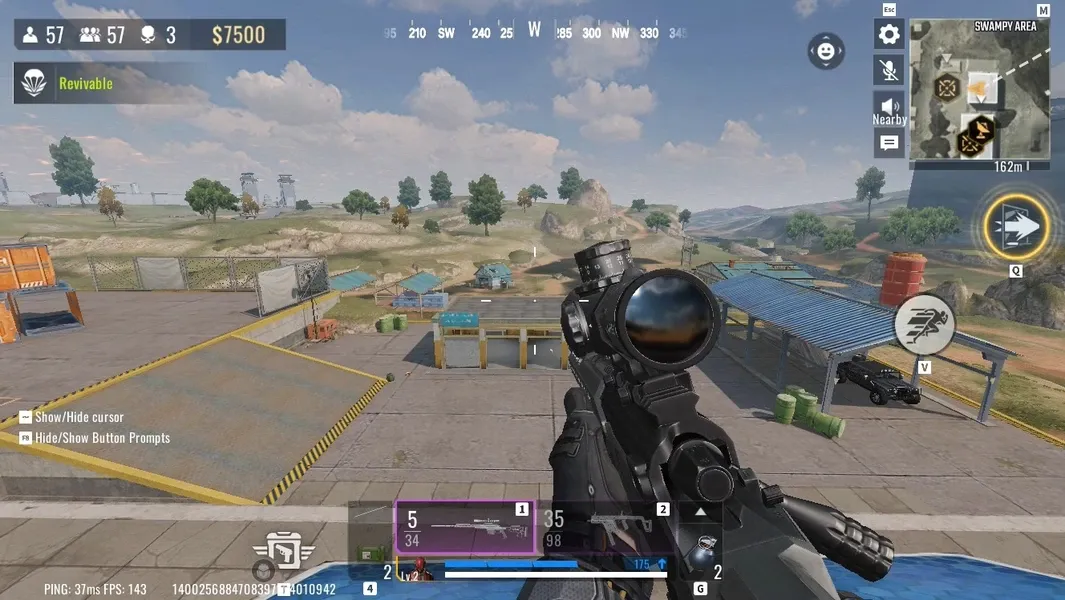
Movement is a core survival skill in Blood Strike. Standing still during fights makes you an easy target.
Strafing, sliding, and repositioning constantly disrupt enemy aim. Mastering movement is often more important than perfect accuracy.
Movement fundamentals:
- Never stop moving in gunfights
- Use cover between shots
- Reposition after every engagement
Mobility keeps you alive.
Aiming Techniques and Gunfight Discipline
Fast-paced combat encourages panic shooting, but controlled fire wins fights. Over-spraying reduces accuracy and exposes you.
Focus on burst firing and head-level crosshair placement. Even small aim improvements drastically increase kill consistency.
Aiming tips:
- Keep crosshair at chest/head height
- Fire in short bursts
- Reset aim between engagements
Discipline beats chaos.
Positioning and Using Cover Effectively
Good positioning wins fights before shots are fired. High ground, cover, and angles give you free advantages.
Avoid running through open areas unnecessarily. Move from cover to cover and force enemies into predictable angles.
Positioning principles:
- Hold high ground when possible
- Peek instead of wide swinging
- Always plan an escape route
Smart positioning reduces risk.
Managing Abilities and Cooldowns
Abilities in Blood Strike are powerful but limited. Using them randomly often leaves you defenseless during key moments.
Save abilities for fights, escapes, or clutch moments rather than routine movement. Knowing cooldown timing prevents overcommitment.
Ability management tips:
- Use abilities with purpose
- Track cooldowns mentally
- Don’t waste escapes early
Timing defines impact.
Surviving the Mid Game and Avoiding Third Parties
Mid game is where many players die unnecessarily. After fights, third-party attacks are common.
Always assume another enemy is nearby after combat. Heal quickly, reposition, and reload before looting thoroughly.
Mid-game survival checklist:
- Heal immediately after fights
- Reload before looting
- Move after revealing your position
Awareness prevents ambushes.
Endgame Strategy and Closing Matches
Endgame fights reward patience and positioning more than raw aggression. Circles tighten, and mistakes are punished instantly.
Hold strong positions and let enemies make mistakes. Forcing fights unnecessarily often leads to third-party elimination.
Endgame tips:
- Control zone edges
- Let enemies fight first
- Use abilities decisively
Calm play wins finales.
Improving Consistency Through Practice
Blood Strike rewards repetition. Playing regularly improves reaction time, map knowledge, and weapon familiarity.
Focus on improving one skill at a time instead of everything at once. Small gains stack quickly.
Improvement habits:
- Practice aim daily
- Review lost fights mentally
- Stick to one Striker and weapon type
Consistency creates results.
Conclusion
Blood Strike thrives on speed, precision, and smart aggression. While the game encourages fast action, success depends on movement control, positioning, and disciplined gunplay.
By mastering Striker abilities, weapon selection, and tactical awareness, you can dominate matches while maintaining control in the chaos of battle.
160-character summary
Master Blood Strike with smart movement, disciplined aim, ability timing, and positioning strategies to survive longer and win more fast-paced battles.